




12-31-2025, 10:20 AM
SYNOPSIS
BOOK I
In the first three chapters of the Apocalypse, we have the principles out of which good and evil will evolve. The churches are warned against the existing evils in them, the harbingers of disaster, and are commended for their good qualities through which Christ shall renew the world. In chapters IV. and V., the constitution and organization of the Church are outlined and the Lamb is introduced. He will direct all future history, will foster the growth of all good and establish His everlasting kingdom through a decisive victory. In chapter VI., the judgment begins upon those who oppose Christ and adhere to false doctrines and principles. God's judgments will emanate out of the evils present in the world and will again check those evils and give all that is good a fair chance to grow. In chapter VII., there is a pause in the action of the world-drama to review the fruits of the Lamb's activities and of His victories so far won. The first scene in chapter VIII. presents an institution in the Church and in the world that will hurry the human race onwards to the destinies foreseen in prophetic light and prepare it for both the culmination of the "mystery of iniquity" and the revelation of the "mystery of God". Chapter nine reveals the last stages of this preparation, when evil will go unchecked and will welcome the advent of Antichrist.
BOOK II
An open booklet is presented to the Seer by an angel. It contains the judgments from this point to the end, and it begins with the judgment of the Church indicating the complete separation of the good from the wicked. This is immediately followed by the reign of Antichrist. Chapter X. is an interlude to introduce the action that follows upon IX. 21-22. Chapter XI. describes the work of the Two Witnesses, who labor to restore all things in Christ, combat the power of Antichrist and make the final victory possible and complete. Chapter XII. depicts the judgment at the headquarters of the Church, intimated in XI. 1, and her success in ridding herself of all evils and reproach. The dragon thus loses his last opportunity of destroying the Church from within. He then attacks her from without but to no avail. Chapter XIII. reveals the full license given Satan to do his utmost against the Church, and he establishes the universal reign of evil. He operates through the two beasts, the first of which is Antichrist and the second his prophet. The character of Antichrist, his method of attack against the Church, or rather against the faithful, and his campaign to gain universal world-dominion is described in this chapter. Chapter XTV. in various visions depicts the struggle, the first fruits of the victory for Christ and gives a glimpse of the final results of the whole contest, the defeat of Antichrist and end of all the wicked. Chapter XV. introduces the preparation for the third woe and the final judgment on the wicked. Chapter XVI. describes the execution of this judgment and the preparation for the last battle to destroy the forces of evil that have corrupted the earth. Chapter XVII. gives the political aspect of the powers of evil that rule the world through the Evil City. Chapter XVIII. describes much in detail the judgment upon this evil city and her complete annihilation, never to be rebuilt. In the first part of chapter XIX., the Church rejoices over the victory of Christ in the end of the evil city and celebrates in advance His final decisive victory over the two beasts in the last battle which has not yet been fought. Thereafter the triumphant advance of the armies of heaven against Antichrist, the False Prophet and their followers is reviewed and the result of the battle is briefly stated. Chapter XX. relates the expulsion of Satan from the world for 1,000 years, the last uprising against the Church by Gog and Magog and the Last Judgment. This should be the end of the Apocalypse. But chapters XXL and XXII. are added to reveal the blessed state of the Church and the near paradisiac conditions in the world when Christ holds universal sway and brings all good to full maturity during the thousand years after the destruction of Antichrist. The book ends these revelations with the promise of the positive realization of all prophecies narrated on its pages and with a solemn threat against all who will not heed them or who will try to falsify the text.
DIVISION AND CONTENTS
The Apocalypse has been divided into partitions of various kinds, shapes and sizes of shapes according to the intentions and purposes of the interpreters. In this present work there are two main divisions: the Sealed Book, which is Book I., and the Open Booklet, which is Book II. The first three chapters are the introduction of Book I. and chapter ten is the introduction of Book II. The Apocalypse is then divided as follows.
BOOK I
THE BOOK OF THE SEVEN SEALS
I. INTRODUCTION
A. The Author, Purpose and Commission
1. Prologue: Chapter I., Verses 1-3.
2. Address to the Churches. Verses 4-9.
3. The Commission. Preparatory Vision of the Glorified Christ. Verses 9 - end.
B. Messages To The Angels Of The Seven Churches
1. To the Angel of the Church of Ephesus. Chapter II. Verses 1-7
2. To the Angel of the Church of Smyrna. Verses 8-11.
3. To the Angel of the Church of Pergamum. Verses 12-17.
4. To the Angel of the Church of Thyatira. Verses 18-to end.
5. To the Angel of the Church of Sardis. Chapter III. Verses 1-6.
6. To the Angel of the Church of Philadelphia. Verses 7-13.
7. To the Angel of the Church of Laodicea. Verses 14-end.
II. ADORATION OF GOD AND LAMB
A. The Glories Of The Church
1. The Vision of God. Chapter IV. Verses 1-3.
2. The Twenty-four Ancients. Verses 4-5.
3. The Crystal Sea. Verse 6.
4. The Four Living Beings. Verses 7-end.
B. The Book Of The Seven Seals
1. The Sealed Book. Chapter V. Verses 1-5.
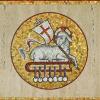
2. The Vision of the Lamb. Verses 6-7.
3. The Adoration of the Lamb. Verses 8-end.
III. THE SEALS
A. Opening Of The First Six Seals
1. The First Seal. The White Horse. Chapter VI. Verses 1-2
2. The Second Seal. The Red Horse. Verses 3-4.
3. The Third Seal. The Black Horse. Verses 5-6.
4. The Fourth Seal. The Green Horse. Verses 7-8.
5. The Fifth Seal. The Souls of the Martyrs. Verses 9-12.
6. The Sixth Seal. The Powers of Heaven are moved. 12-end.
B. The Establishment Of The Church
1. The Vision of the Four Angels holding the Winds. Chapter VII. Verse 1 .
2. The Vision of the Angel from the Rising of the Sun. Verses 2-3.
3. The Sealing of the 144,000 from the Tribes of Israel. Verses 4-8.
4. Countless Multitudes also are signed. Verses 9-end.
IV. THE SEVEN TRUMPETS
A. Preparatory Visions
1. The Seventh Seal. Half Hour's Silence. Chapter VIII. Verse 1.
2. The Seven Angels with the Seven Trumpets. Verse 2.
3. The Second Vision. The Angel with the Golden Censer. Verses 3-5.
B. The Four Winds
1. The First Trumpet. The Plague of Hail. Verses 6-7.
2. The Second Trumpet. The Burning Mountain. Verses 8-9.
3. The Third Trumpet. The Star, Wormwood. Verses 10-11.
4. The Fourth Trumpet. The Lights of Heaven Dimmed. Verse 12.
V. THE WOES
1. The Eagle in Mid-heaven announces three Woes. Verse 13.
2. The Fifth Trumpet. The First Woe. Vision of the Locusts. Chapter IX. Verses 1-11.
3. The Sixth Trumpet. The Second Woe. Vision of200,000,000 Horsemen. Verses 12-end.
BOOK II
THE OPEN BOOKLET
I. INTRODUCTION
1. The Mighty Angel with the Open Booklet. Seven Thunders. Oath. Chapter X. 1-7.
2. St. John takes and eats the Booklet. Verses 8-10.
3. He must prophesy again. Verse 11 .
II. CONTINUATION OF SECOND WOE
1. St. John Measures the Temple. Chapter XI. Verses 1-2.
2. The Testimony of the Two Witnesses. Verses 3-13.
3. Seventh Trumpet. Third Woe and Victory of Christ announced. Verses 14-end.
III. BATTLE BETWEEN THE CHURCH AND THE DRAGON
1. Vision of the Woman. Chapter XII. Verses 1-2.
2. Vision of the Dragon. Verses 3-4.
3. Delivery of the Woman. Her Flight. Verses 5-6.
4. Battle in Heaven. Verses 7-12.
5. Malice of the Dragon against the Woman and her Children. Verses 13-end.
IV. DESCRIPTION OF THE TWO BEASTS
1. The Beast out of the Sea. Chapter XIII. Verses 1-4.
2. The Works of the Beast. Verses 5-8.
3. Warnings and Consolations. Verses 9-10.
4. The Beast out of the Earth. Verses 11-15.
5. The Character of the First Beast. Verses 16-end.
V. SOUNDS OF VICTORY
1. The Vision of the Virgins. Chapter XIV. Verses 1-5.
2. The Three Announcing Angels:
A. Warning against Beast-worship. Verses 6-7.
B. Second Angel announces Fall of Babylon. Verse 8.
C. Third Angel threatens Punishments of Beast worshippers. Verses 9-11.
3. Consolations for the Martyrs. Verses 12-13.
4. The Harvest of the Good. Verses 14-16.
5. The Vintage of the Wicked. 17-end.
VI. THE THIRD WOE
1. Preparation for Third Woe. Seven Angels and the Crystal Sea. Chapter XV. Verses 1-4.
2. The Open Sanctuary and Seven Angels receiving Seven Vials. Verses 5-end.
3. The Seven Last Plagues. Chapter XVI. Verses 1-end.
First Plague: Ulcer on Followers of Antichrist. Verses 1-2.
Second Plague: The Sea becomes Blood. Verse 3.
Third Plague: The Rivers and Fountains become blood. Verse 4.
Pronouncement of the Angel of the Waters. Verses 5-7.
Fourth Plague: Excessive Heat. Verses 8-9.
Fifth Plague: Darkness settles on Capital of Antichrist. Verses 10-11.
Sixth Plague: Euphrates is dried up. Armies from East.
Evil Spirits gather all Antichrist's Followers. Verses 12-16.
Seventh Plague: Final Judgements of God on Wicked reviewed. Verses 17-end.
VII. THE GREAT HARLOT AND THE BEAST
1. Description of Babylon, the Great Harlot. Chapter XVII. Verses 1-6.
2. Symbolic Meaning of the Beast. Verses 7-17.
3. Symbolic Meaning of the Harlot. Verse 18.
VIII. DESTRUCTION OF BABYLON
1. An nouncement of Her Fall. Chapter XVIII. Verses 1-4.
2. Reasons for Her Fall. Verses 5-8.
3. Lamentations over Her Fall. Verses 9-19.
4. Rejoicings over Her Fall. Verse 20.
5. Demonstration of Her Fall. Verses 21-end.
IX. THE LAST BATTLE
1. General Rejoicings: Thanksgiving for the Fall of Babylon. Chapter XIX. Verses 1-6.
2. The Wedding Feast of the Lamb. Verses 7-10.
3. The Warrior on the White Horse. Armies of Heaven. Verses 11-16.
4. Invitation to the Supper of the Beast. Verses 17-18.
5. The Defeat of the Beast. Verses 19-end.
X. LAST JUDGMENTS
1. The Fruits of the Victory:
A. Satan is Bound for a Thousand Years. Chapter XX. Verses 1-3.
B. The Martyrs shall reign a Thousand Years. Verses 4-6.
2. The Last War of Gog and Magog Verses 7-8.
3. Satan's Final Destiny. Verses 9-10.
4. The Last Judgment. Verses 1 l-end.
XI. THE NEW CITY AND THE NEW WORLD
1. The New Jerusalem Chapter XXI Verses 1-2.
2. Diverse Promises to the Faithful. Verses 3-8.
3. The New Jerusalem described. Verses 9-end.
4. Paradise Re-established:
A. The Water of Life. Chapter XXII. Verses 1-2.
B. The Tree of Life. Verses 2-5.
XII. CONCLUSION
1. The Testimony of the Angel. Verses 6-11.
2. The Warning of our Lord. Verses 12-15.
3. Final Attestation. Verses 16-end.
BIBLIOGRAPHY
Arndt-Allioli Ausgabe der Heiligan Schrift Des Alten mid Neuen Testamentes in drei Banden, mit dem Urtext der Vulgata. Herausgegeben von Augustin Arndt, S.J. Die Vulgata ubersetzt mid mit erklarenden Anmerkungen versehen. Funfte Auflage, 1910. Diuck von Friederich Pustet.
The Apocalypse is explained with extensive footnotes. These explanations are taken largely from the Fathers and Doctors of the Church, from Irenaeus to St. Thomas.
A Lapide, Cornelius, S.J. Commentarius in Apocalypsin Sancti Joannie, Apostoli. Feb. 18, 1626.,
Alio, P.E.B., O.P. Professeur a l'Universite de Fribourg Suisse. Deuxieme Edition. Etudes Biblique . . . Saint Jean L'Apocalypse.
Paris, Libraire Victor Le Coffre, J.Gabalda, Editeur . . . 1921.
This a complete and uptodate commentary on the Apocalypse, and takes in review all interpretations from the most ancient Fathers to the modem scripturists and biblical critics. It gives a synopsis of all the most noted interpretations and schools of interpretation. His synopsis covers the whole range from St. Justin to modern times.
Ante-Nicene Fathers. Ancient Fathers and Ecclesiastical Writers.
The English translation quoted is the edition of Charles Scribners & Sons, 1926, re-editing that of the Rev. Alexander Roberts, and James Donaldson and is finally the American re-print of the Edinburgh Edition in 10 volmnes.
Justin, Saint, Martyr, d. 167 A.D. Dialogue with Triphon.
Irenaeus, Saint, Martyr, d. 202 A.D. Adversus Haereses, Book V.
Hippolytus, d. 236 A.D. Treatise on Christ and Antichrist. Fragments from Commentaries on Daniel.
Methodius, d. 312. The Banquet of the Ten Virgins: Discourse V. Chap, vi., viiL, Discourse VIII. Chap, vi., x., xi., xiii.
Victorinus, Martyr about 305. Commentary on the Apocalypse of the Blessed John.
Melito of Sardis, d. 180 A. D. Treatise on the devil and the Apocalypse of St. John.
Catholic Encyclopedea. Special Edition 1914.
Comely, Rudolph, S.J.: Introduction to Sacred Scriptures, sixth edition, emended by Martin Hagen, S.J. Parisiis Sumptibus P. Lethielleux, Editoris . . . 1909.
Eaton, Rev. Robert. Sands & Co., London & Edinburgh. Imprimatur May 26, 1930 Preface by Rev. E.T. Bird, D.D., Ph. D. Professor of Sacred Scripture at Oscott College.
Eyzaguirre, Rev. Raphale A., Apocalypseos Interpretatio Literalis; Romae 1911.
Gallois, R.P.M. Aug., des Freres Precheurs.
L'Apocalypse de St. Jean. Paris, P. Lethielleux, Libraire-Editeur. . . 1895. A short essay on the allegorical and prophetical visions of this book (Apocalypse).
Hogan, Fr. Stanislaus M., O.P.: Life of St. Vincent Ferrer., O.P. Longmans Greene & Co. 1911.
Honert, Wilhelm Herman. PROPHETEN STIMMEN 3te verbesserte Auflage. Regensburg. 1922. Verlagsanstatt vonn. G.J. Manz, Buch-U-Kunsdruckerei.
Kohlhofer, Dr. Mathis. Die Einheit Der Apokalypse. Herdershe Ver lags handlung, 1902. It is a refutation of the latest hypotheses of bibical criticism, which deny the inspiration of the book and the reality of the visions. It refutes most strikingly the theories of Eberhard Vischer, Otto Pfleiderer, Fr. Spitta, H. Bousset, Heinrich Holzman, Adolf Julicher, Hilgenfeld and others who were the representatives of the rationalistic critics.
Swete, Henry Barclay, D.D., F.B.C., . . . Third Edition, MacMillan & Co. 1922. A very learned and complete commentary on the Apocalypse, based on the Greek text.
His studies comprise the Greek commentaries from Melito, Bishop of Sardis, under Marcus Aurelius, to Arethus who died about 900 A.D., Syrian commentaries, Latin commentaries from the third to the sixteenth centuries, and modem commentaries in Latin, French, German, English, the works of Catholics and heretics of the early centuries and of Catholics and Protestants in modem times. It reviews The ancient manuscripts which contain the Apocalypse, such as the Codex Vaticanus, Sinaiticus, Alexandrinus, Ephraemi and many miniscules. It makes comparisons of the ancient Itala and Vulgata in Latin and the Syrian, Armenian, Egyptian and Ethiopic texts. It follows the Greek text received by the scholars and critics as genuine, but shows throughout the book text diversities of the
ancient codices of both uncials and minuscules.
Thureau-Dangin, Paul. S. Bernardine de Siene. Paris, 1896. Life of St. Bernardine of Sienna. The best one ever written.
Westminster version of the Sacred Scriptures. Longmans Green & Co., 1915 Edition.
The commentaries and interpretations of the great Doctors of the fourth and later centuries and of the theologians of the Middle Ages have been skipped, because they gave the interpretation of the Apocalypse a purely "spiritual" direction, even before St. Augustine. Only modern scholars and theologians and scripturists have searched more deeply into the writings of ancient Fathers and into the prophetical books and fragments of prophecies of the Old Testament. They have come nearer to the true meaning of the prophetical visions and words of the Apocalypse than the doctors and theologians of the Middle Ages.
Many other modern commentaries, Catholic and Protestant, have been read and analysed carefully, and in all of them many parts have been found that agree exactly with the interpretation presented here. But many swerve off from the logical sequence in too many places to make a clear picture and narrative possible. Through many of them our interpretation might be said to run like a red line. How near it is to the truth, the advent of future facts of history must reveaL
After these many years of study on this wonderful book, the Apocalypse seems to be perfectly clear in all its visions. The same terns cannot be given the same meaning every time they return, nor can similar visions be always given the same significance. It depends on the setting in which they appear. The words and phrases also depend for their meaning on the context in which they appear.
"So let us be confident, let us not be unprepared, let us not be outflanked, let us be wise, vigilant, fighting against those who are trying to tear the faith out of our souls and morality out of our hearts, so that we may remain Catholics, remain united to the Blessed Virgin Mary, remain united to the Roman Catholic Church, remain faithful children of the Church."- Abp. Lefebvre